DSN WIRESUN 11 OCT 20260254 UTC
Science & Technology
EXPLAINERJeff Bezos' New Glenn rocket was destroyed in a massive fireball at Launch Complex 36 on May 28, 2026, during a pre-launch static fire test. No injuries were reported but the explosion caused significant damage to the launch pad infrastructure.
FILED 2 MIN READ
Cape Canaveral, Florida — May 28, 2026
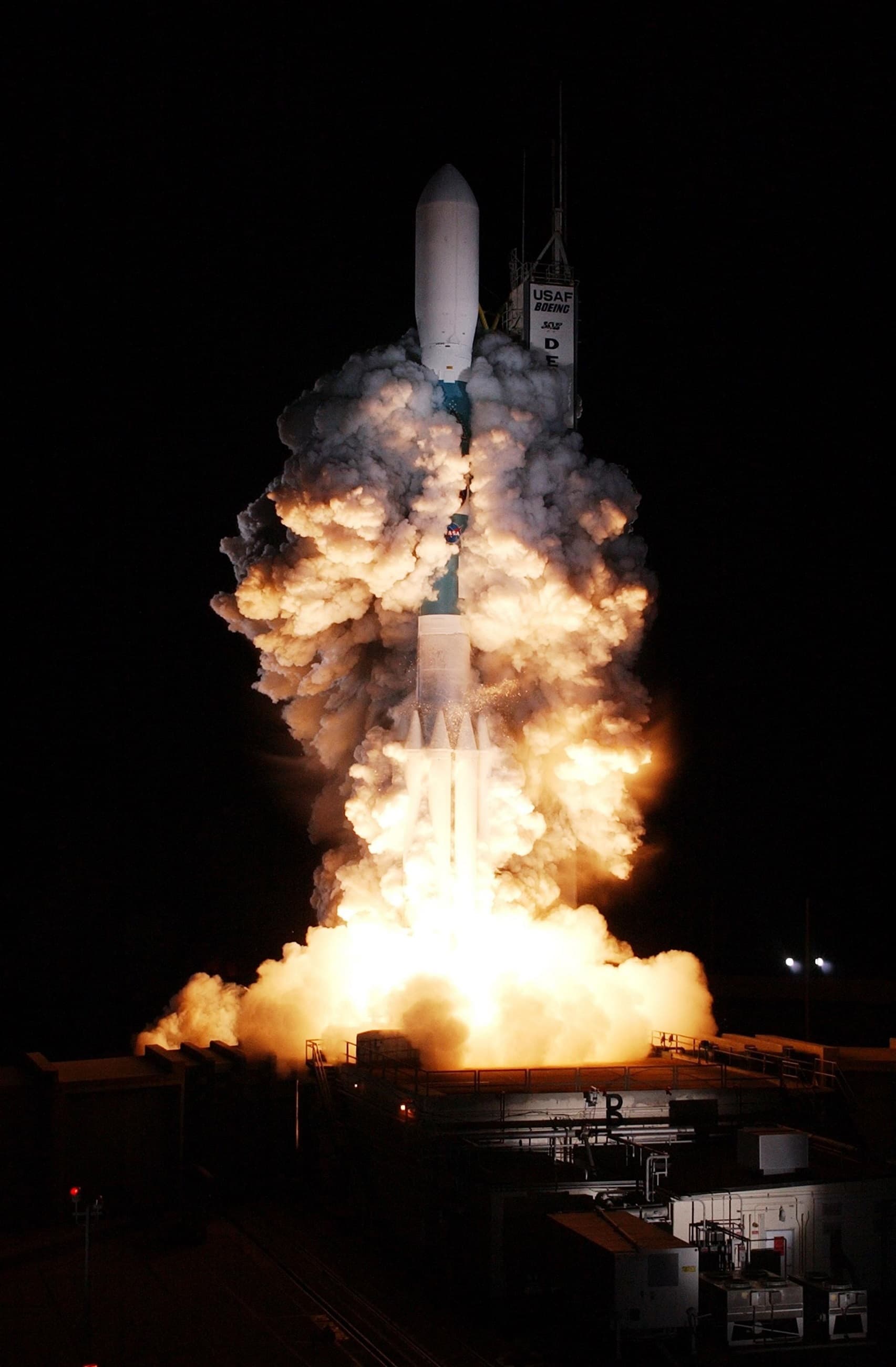
Jeff Bezos' Blue Origin suffered its most catastrophic setback yet on Thursday night when the company's New Glenn rocket exploded in a massive fireball at Launch Complex 36 (LC-36) at Cape Canaveral Space Force Station.
The explosion occurred at approximately 9:00 PM EDT during a routine static fire engine test — a critical pre-launch procedure where the rocket's engines are ignited for a short duration before an actual launch.
The 320-foot-tall New Glenn rocket, nicknamed "No, It's Necessary," was being prepared for its fourth mission — the first of 24 contracted launches for Amazon's Leo satellite internet network, a direct competitor to SpaceX's Starlink.
As the seven methane-fueled BE-4 engines began firing, something went catastrophically wrong at the base of the rocket. Within seconds, a rapidly growing fire enveloped the first stage, causing the upper stage to tilt and collapse. The vehicle then exploded, sending a massive fireball into the night sky.
The mushroom cloud pierced the cloud deck and was visible across the entire Space Coast, shocking residents and onlookers watching from nearby restaurants and viewing areas.
The explosion caused significant damage to LC-36's infrastructure:
Despite the scale of the explosion, Blue Origin confirmed that all personnel were safely accounted for.
"We experienced an anomaly during today's hotfire test. All personnel have been accounted for," Blue Origin said in a statement on social media.
NASA Administrator Jared Isaacman added: "Spaceflight is unforgiving, and developing new heavy-lift launch capability is extraordinarily difficult."
The explosion is a major blow to Blue Origin's ambitions. The company had been planning up to 12 New Glenn launches in 2026, with Amazon relying heavily on the rocket to build its Leo satellite constellation.
Investigators will now need to determine the cause of the failure before any return to flight can be attempted. The last comparable pad explosion at Cape Canaveral occurred in September 2016, when a SpaceX Falcon 9 exploded at pad 40 — a failure that kept that pad out of action for over a year.
The FAA confirmed the static fire test was not within the scope of FAA-licensed activities and will not trigger a separate investigation by the agency.
DeSanta News will continue to follow this story as Blue Origin releases further information.
Subscribe to get the latest articles delivered to your inbox.
No comments yet. Be the first to share your thoughts.
World

World

World