DSN WIRESUN 11 OCT 20260601 UTC
Military / War
ANALYSISCENTCOM has confirmed more than 6,000 military targets struck inside Iran since the war began on February 28, 2026.
FILED 5 MIN READ
Washington D.C. / Tehran, Iran — July 13, 2026
The numbers are staggering. More than 6,000 military targets struck inside Iran. More than 90 Iranian vessels destroyed or damaged. Iran's ability to launch ballistic missiles reduced by 86 percent from where it stood on Day 1 of the war. Oil storage facilities obliterated. Airbases cratered. The Iranian Navy systematically destroyed. 135 days into the 2026 Iran war, the United States and Israel have inflicted damage on Iran's military infrastructure on a scale not seen in the Middle East since the Gulf War of 1991.
CENTCOM reported more than 6,000 targets struck inside Iran and more than 90 Iranian vessels destroyed or damaged. The Chairman of the Joint Chiefs confirmed ballistic missile launches were down 86 percent from Day 1 levels.
The 86 percent reduction in Iran's ballistic missile launch rate is perhaps the single most significant military statistic of the entire war. On February 28 — the first day of Operation Epic Fury — Iran launched approximately 170 ballistic missiles at Israel alone. The IDF estimated about 170 ballistic missiles were launched by Iran on Day 1. Today, that daily rate has been reduced by 86 percent — meaning Iran's once-fearsome missile arsenal has been so thoroughly degraded that its ability to threaten Israel, US military bases and Gulf states has been dramatically diminished.
CENTCOM completed a third round of strikes against approximately 140 Iranian military targets on July 11 — more than 300 targets across three nights of operations — after the IRGC attacked the Cyprus-flagged container ship GFS Galaxy in the Strait of Hormuz, setting it ablaze with one of 11 Indian crew members missing.
The scale of the destruction inside Iran over 135 days is comprehensive and documented across multiple verified sources.
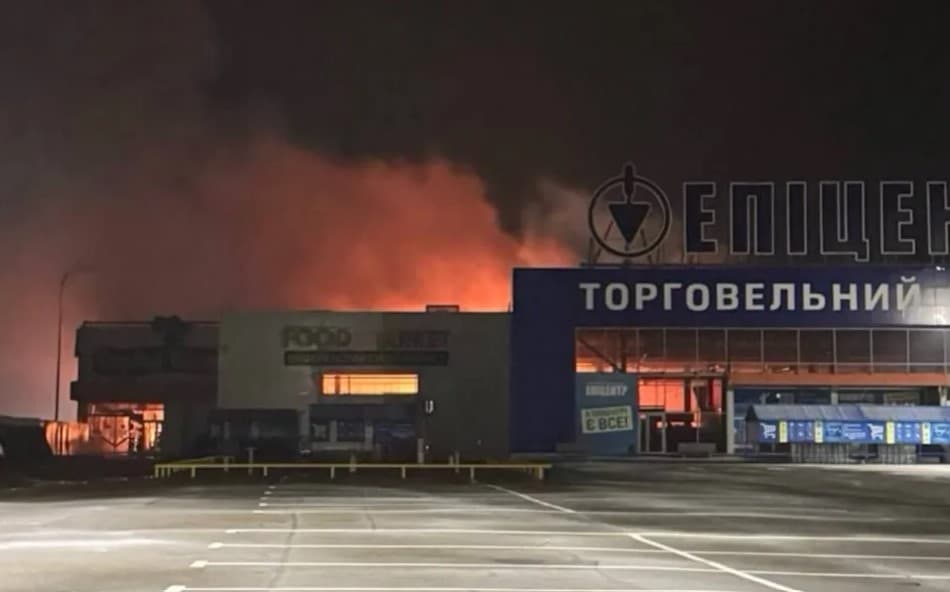
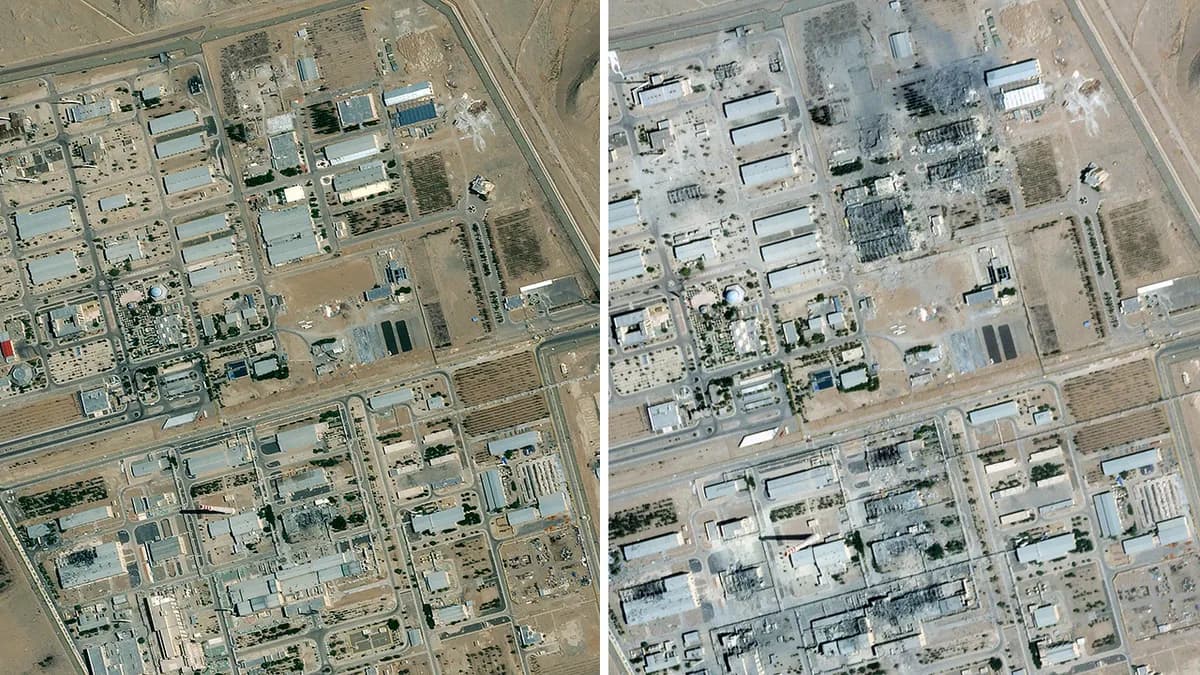
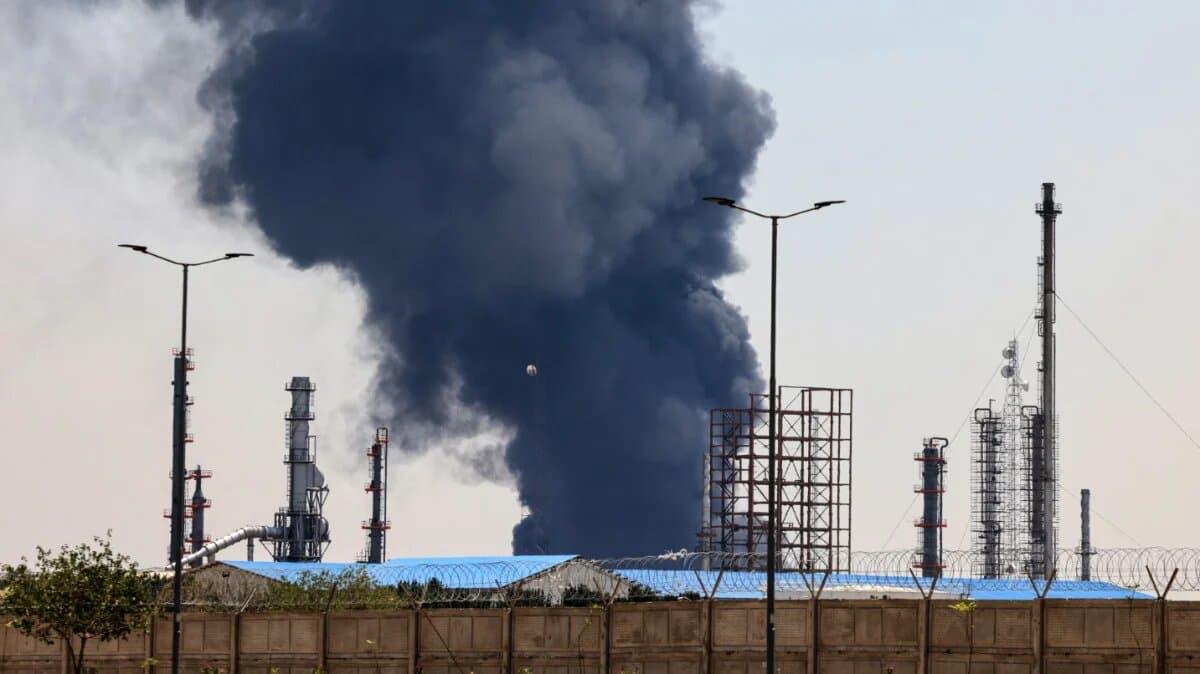
Oil infrastructure: The US military attacked Iran's oil export hub. Satellite images showed destruction at huge oil refineries and Iranian nuclear facilities. Iran's South Pars gas field — the largest in the world — was hit with fires causing some units to be taken out of production. Iran's naval home port of Bandar Abbas was set ablaze with pillars of smoke visible from across the Gulf.
Military infrastructure: US B-2 stealth bombers, B-1 Lancers and B-52 Stratofortresses struck fortified ballistic missile facilities inside Iran from Day 1. The IRGC's main security headquarters in Tehran was destroyed by Israeli airstrikes. Iran's military has lost an estimated 2,000+ targets across the country including command-and-control infrastructure, missile sites, UAV storage facilities and radar installations.
The Iranian Navy: CENTCOM confirmed the US military has cumulatively destroyed 19 Iranian ships and 1 submarine since the start of the war by one earlier count — a total that has continued to grow. Iran's naval home port at Bandar Abbas has been struck repeatedly. Iranian warships have been sunk as far away as the coast of Sri Lanka.
Airbases: Iran's military airbases across the country have been systematically targeted. The IRGC Aerospace Force's ability to launch drones and coordinate missile operations has been severely degraded.
The 2026 Iran war began on February 28 when the United States and Israel launched attacks on targets across Iran — codenamed Operation Roaring Lion by Israel and Operation Epic Fury by the United States. The strikes killed Supreme Leader Ali Khamenei and several high officials. Iran responded with a series of missile and drone attacks against Israel, US-aligned Arab countries and US military bases across the region, and blocked the Strait of Hormuz.
The conflict drew in Hezbollah from Lebanon, Houthi forces from Yemen, Iran-backed militias from Iraq and Syria, and triggered strikes from the UAE, Saudi Arabia and Kuwait against Iranian territory.
The most recent round of US strikes came after the IRGC declared the Strait of Hormuz closed "until further notice" — with Supreme Leader adviser Mohsen Rezaee calling the waterway "more important than dozens of atomic bombs."
Iran retaliated overnight with its widest volley of the renewed hostilities, firing missiles and drones at six states — the UAE, Qatar, Kuwait, Bahrain, Oman and Jordan — including claimed strikes on Al Udeid Air Base, a US radar site in Kuwait and carrier support platforms at Oman's Duqm port. Three people were injured by falling shrapnel in Doha.
New Supreme Leader Mojtaba Khamenei issued his first statement, vowing Iran would not back down. Oil prices rose to $78.99 a barrel as concerns deepened over the strait's closure.
Iranian deaths range from 1,444 in the most conservative count to 3,636 according to HRANA's cumulative documentation — with HRANA's breakdown showing 1,221 military, 1,701 civilian and 714 unclassified deaths. Lebanon's Ministry of Public Health has documented 2,976+ killed and 9,123+ wounded. The US military has confirmed 13 combat-related deaths across the region.
The question being asked in Washington, Jerusalem and Tehran right now is whether Iran's military has been degraded to the point where it can no longer pose a serious conventional military threat.
The 86 percent reduction in ballistic missile launches suggests the answer is approaching yes — at least in terms of Iran's ability to strike Israel and US bases with large-scale barrages. But Iran's strategy has never relied solely on conventional military power. Its network of regional proxies, its control over the Strait of Hormuz and its ability to threaten global energy markets remain significant leverage points that no amount of airstrikes can fully eliminate.
The war is not over. But for Iran's military — 6,000 targets later — it is a very different war than the one that began on February 28.
DeSanta News will continue to follow the Iran war as it develops.
Subscribe to get the latest articles delivered to your inbox.
No comments yet. Be the first to share your thoughts.
Military / War
Military / War
Military / War