DSN WIRESUN 11 OCT 20260601 UTC
Military / War
ANALYSISIranian drones struck the passenger terminal at Kuwait International Airport on June 3, 2026, killing one person and injuring several others
FILED 2 MIN READ
Kuwait City, Kuwait — June 3, 2026
Iran struck a civilian airport. In the middle of a ceasefire.
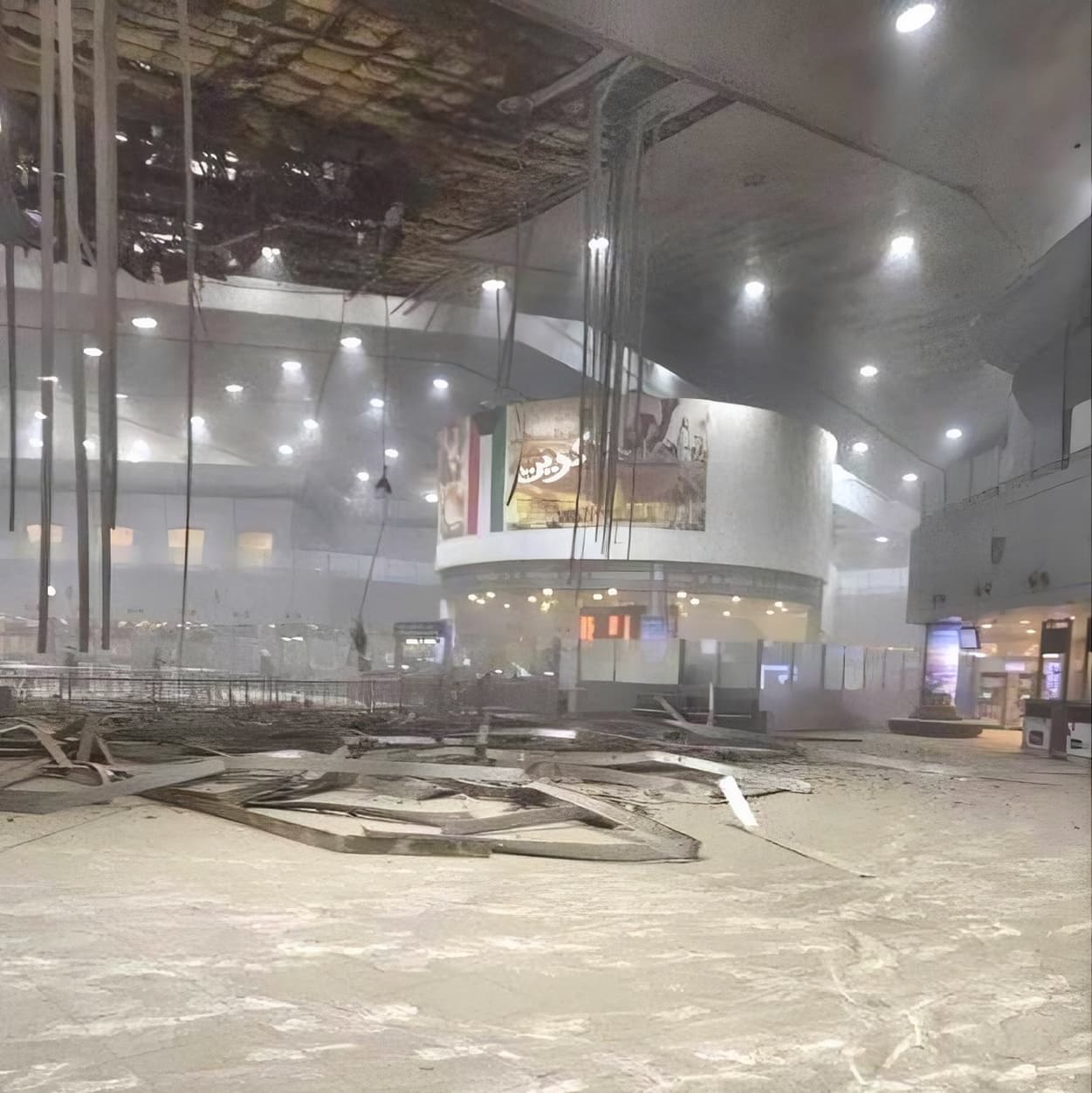
Iranian drones hit the passenger terminal at Kuwait International Airport in the early hours of Wednesday, June 3, killing at least one person, injuring several others and causing what Kuwaiti officials described as "significant material damage" to one of the Gulf's busiest aviation hubs.
Iranian drones struck the passenger terminal at Kuwait International Airport on Wednesday, causing significant damage and injuries, in one of the most serious Iranian attacks on civilian targets in the Gulf since the conflict began.
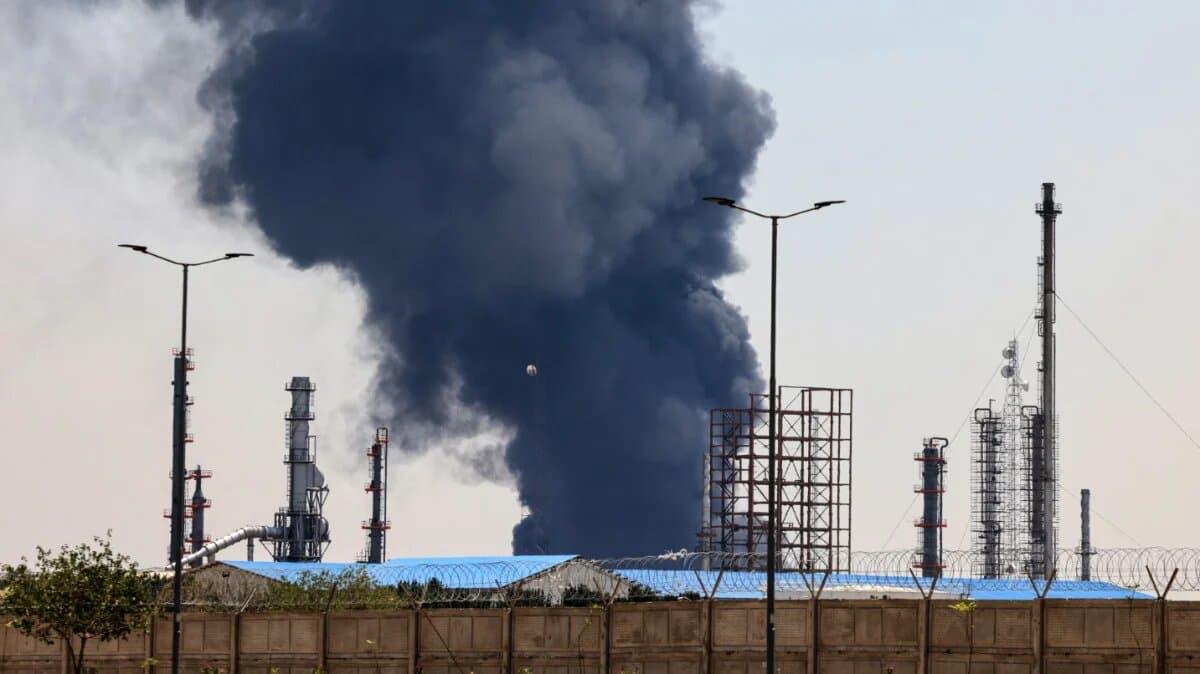
The strikes damaged Terminals 1 and 2, destroyed the airport's radar system and set fuel tanks ablaze — forcing the complete suspension of all commercial aviation across Kuwaiti airspace.
The Kuwaiti army's General Staff confirmed the attack resulted in significant material damage to airport buildings and injuries to a number of individuals, who received immediate medical care.
The Kuwait airport strike was part of a wider Iranian offensive launched in the early hours of Wednesday targeting multiple Gulf nations simultaneously.
Iran launched ballistic missiles and drones targeting Bahrain, Kuwait and civilian shipping across the Gulf. US and Bahraini air defense forces intercepted or shot down the attacks targeting Bahrain. US forces conducted retaliatory self-defense strikes on an Iranian military ground control station on Qeshm Island — Iran's main oil hub.
Two missiles launched at Kuwait were unsuccessful. Three fired at Bahrain were intercepted by US and Bahraini air defense forces. US forces also shot down multiple attack drones launched by Iran toward civilian mariners transiting regional waters.
Rather than apologizing for striking a civilian airport, Iran's Revolutionary Guard Corps declared that its retaliatory strikes "should serve as a lesson" for the United States.
The attack comes at an extraordinarily sensitive moment — with US-Iran negotiations ongoing and a fragile ceasefire framework still technically in place.
The strikes underscored the fragility of efforts to extend the ceasefire and negotiate an end to the three-month-long war.
For ordinary passengers at Kuwait International Airport on Wednesday morning — there was no ceasefire. There were only explosions, fire, a destroyed terminal and the news that someone who came to catch a flight never made it home.
The ripple effects of the attack spread rapidly across the region's aviation network.
Indian carrier IndiGo suspended all flight operations to and from Kuwait until June 4, 2026. Commercial aviation was disrupted across the Gulf, with several flights cancelled at Dubai International Airport — the world's busiest — amid the regional escalation.
The United States has condemned the attack and confirmed its retaliatory strikes on Iranian military infrastructure. Kuwait has summoned the Iranian ambassador. The ceasefire — already hanging by a thread — has been dealt another potentially fatal blow.
The question being asked across the Gulf tonight is simple: if Iran is willing to bomb a civilian airport during a ceasefire — what happens when the ceasefire ends?
DeSanta News will continue to follow this story as it develops.
Subscribe to get the latest articles delivered to your inbox.
No comments yet. Be the first to share your thoughts.
Military / War
Military / War

Military / War