DSN WIRESUN 11 OCT 20260601 UTC
Military / War
ANALYSISIran launched approximately 10 ballistic missiles at northern Israel on June 7, 2026 — the first Iranian attack since the ceasefire took effect on April 8.
FILED 2 MIN READ
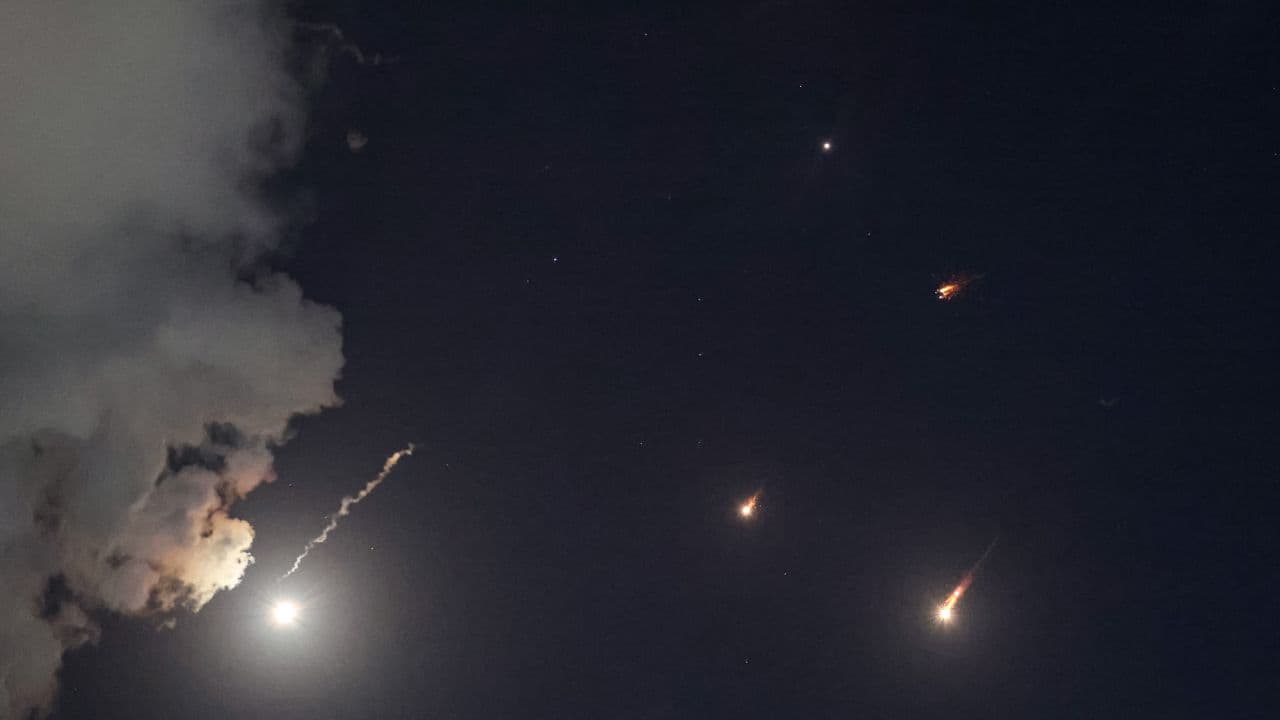
Northern Israel — June 7, 2026
Iran has broken the ceasefire. For the first time since April 8, 2026 — when a fragile ceasefire between Iran and Israel took effect — Iran launched a direct ballistic missile attack on Israeli territory tonight, firing approximately 10 missiles at northern Israel in multiple salvos.
Iran launched some 10 ballistic missiles at northern Israel in several salvos over the past hour. All of the missiles were intercepted or struck open areas, according to the Israeli military. There have been no reports of direct impacts, injuries, or damage in the attacks.
Air defenses were working to shoot down the latest salvo launched from Iran, triggering sirens across the north. A basketball match in Tel Aviv between Hapoel Tel Aviv and Hapoel Jerusalem was interrupted mid-game, with thousands of fans emptying out of the arena.
The IDF confirmed it had so far intercepted all of the Iranian ballistic missiles launched at Israel tonight.
The significance of tonight's attack cannot be overstated.
This is the first Iranian attack on Israel since a ceasefire took effect on April 8, 2026. For nearly two months, a fragile and frequently tested ceasefire had held — at least in terms of direct Iranian missile strikes on Israeli territory.
That ceasefire now appears to be over.
The 2026 Iran war began on February 28 when Israel and the United States launched joint strikes on Iran, following the failure of indirect nuclear negotiations in which Iran had shown willingness to make concessions but President Trump declared he was "not thrilled" with the talks.
Iran launched retaliatory missile and drone strikes targeting US embassies, military installations and oil infrastructure throughout the Middle East. The conflict disrupted global travel and trade, halted flights in and out of the Middle East and led to shipping reroutes to avoid the Strait of Hormuz and the Red Sea.
At the time of publication, Iran had not issued an official statement explaining the specific trigger for tonight's missile launch. Israeli officials were also yet to comment publicly on what prompted the resumption of direct Iranian strikes.
The attack comes amid ongoing tensions over Israeli military operations in Lebanon and Gaza, as well as persistent disagreements over the terms of any permanent ceasefire framework.
The resumption of direct Iranian ballistic missile strikes on Israeli territory — even if all were intercepted tonight — represents a dramatic and dangerous escalation that puts the entire ceasefire framework at risk of complete collapse.
Israel is expected to respond. The United States will be watching closely. And the world — which had begun to cautiously hope that the worst of the 2026 Iran war was behind it — is once again holding its breath.
DeSanta News will continue to update this story as it develops throughout the night.
Subscribe to get the latest articles delivered to your inbox.
No comments yet. Be the first to share your thoughts.
Military / War
Military / War

Military / War