DSN WIRESUN 11 OCT 20260600 UTC
Military / War
ANALYSISA Ukrainian drone struck an ammunition depot near the village of Belovskoye in Russia's Belgorod Oblast on June 8, 2026
FILED 3 MIN READ
Belgorod Oblast, Russia — June 8, 2026
A Ukrainian drone struck a Russian ammunition depot near the village of Belovskoye in Belgorod Oblast today — triggering one of the most spectacular explosions of the war, followed by a prolonged chain reaction of secondary detonations that shook the region for hours.
A massive explosion occurred at an ammunition depot in the Belgorod Region of the Russian Federation, followed by a prolonged chain reaction of detonations at the site. Eyewitnesses among local residents began widely sharing footage online of a massive fire accompanied by loud sounds of shells exploding.
Before the explosion, black smoke rose above the forest near the village of Belovskoye — indicating a UAV attack that caused a fire, which then detonated the stored ammunition. The explosion was followed by a powerful blast wave and thick smoke visible for dozens of kilometers.
The Belgorod operational staff claimed that the detonation damaged houses and an office building in the village of Belovskoye near Belgorod, and that five women were suffering from concussion.
Three apartment buildings and more than twenty private homes were damaged in the explosion. Windows were shattered in the buildings, and damage was reported to roofs, facades and entrance areas. One administrative building was also affected.
The blast wave from the ammunition depot detonation was powerful enough to cause structural damage across a wide residential area surrounding the military site — raising serious questions about the proximity of Russian ammunition storage to civilian communities.
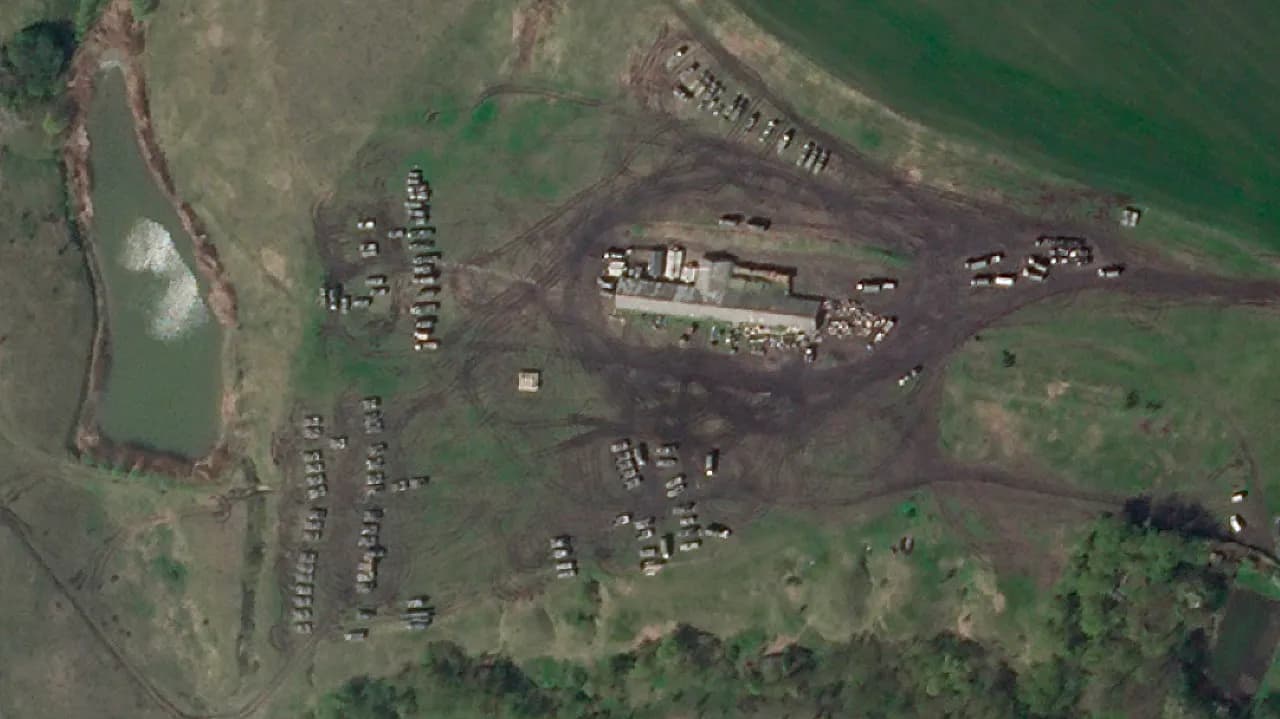
Russian military positions in the Belovskoye area are clearly visible on Google Maps and satellite imagery. Publicly available satellite images show trucks, construction materials, traces of heavy equipment and fortified positions covered with protective sheeting. According to analysts, the scale of the fortified positions may indicate significant military casualties during the detonation. The appearance of multiple sources of smoke is characteristic of the detonation of ammunition depots or the simultaneous placement of explosive materials at various locations.
The Belgorod ammunition depot was not the only Russian target hit on June 8.
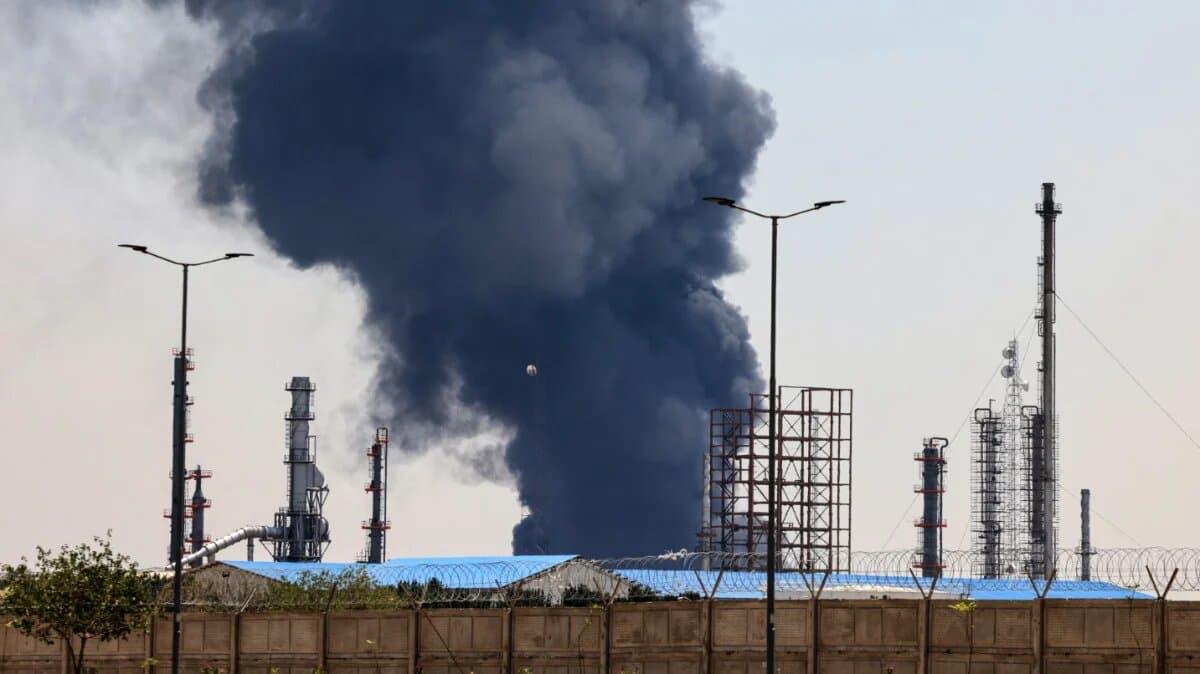
On the night of June 8, the Grushevaya transshipment oil depot, part of the Sheskharis marine terminal — one of the largest oil storage facilities in the Caucasus — was attacked in Novorossiysk, causing a large fire. Numerous explosions were also reported in occupied Mariupol, with the most intense incidents near the Drama Theater area, the Left Bank district and the port zone.
An explosion was also reported at the Arsenal military plant in St. Petersburg on the same day.
June 8, 2026 was one of the most active days of Ukrainian long-range strikes against Russian military and energy infrastructure since the war began.
Russian authorities in Belgorod Oblast confirmed the damage to residential buildings but provided minimal information about the military nature of the explosion site — consistent with Russia's consistent pattern of downplaying damage from Ukrainian strikes on military installations.
Today's strikes demonstrate once again that Ukraine's long-range drone campaign is operating at a scale and geographic breadth that Russia's air defenses cannot fully contain.
From St. Petersburg in the northwest to Novorossiysk on the Black Sea coast, from Belgorod on the Ukrainian border to oil depots deep inside Russian territory — Ukraine is striking Russia's war machine across its full depth, every single day.
DeSanta News will continue to follow this story as further details emerge from the Belgorod Oblast explosion.
Subscribe to get the latest articles delivered to your inbox.
No comments yet. Be the first to share your thoughts.
Military / War
Military / War

Military / War